
Want more choices? How Ascend Asia is rewriting financial advice with open architecture
CPF & Retirement
Powered by
By Julian Wong • 14 Jan 2026
Why trust Beansprout? We’ve been awarded Best Investment Website at the SIAS Investors’ Choice Awards 2025
We explore why the open architecture advisory model is gaining traction in Singapore, and how greater choice and transparency may lead to better financial outcomes for consumers.
This post was created in partnership with Ascend Asia. All views and opinions expressed in this article are Beansprout's objective and professional opinions.
What was it like when you made your first insurance purchase?
Probably, it was a friend who reached out to you. First came a text message, followed by a coffee chat arranged out of obligation and politeness. You then bought something—maybe you understood it, maybe you didn't. You just knew that insurance was important; it's a narrative many of us grew up with.
And then—in many stories that have become all too common—you never see this friend again. Apart from servicing the regular insurance premiums, your insurance plan sits somewhere forgotten. One day, hopefully, it will come in useful.
This experience is core to nearly every working adult in Singapore. It's not the most pleasant or enlightening one, yet we've all been through it.
This raises a broader question for consumers: Why doesn't the process of buying insurance feel more empowering?
Surveys from the Life Insurance Association’s Protection Gap Study, for example, show that at least 50% of respondents feel that the insurance industry can improve by “simplifying products, making them easier to understand, and providing clearer tools and illustrations.”
In other words, insurance products are too complicated.
For consumers, having clearer explanations and more accessible comparisons are critical in making informed financial decisions with confidence. This, in turn, places greater importance on the role of the advisor, particularly in helping consumers break down complex products, to compare options across providers, and make decisions that are aligned with needs and circumstances.
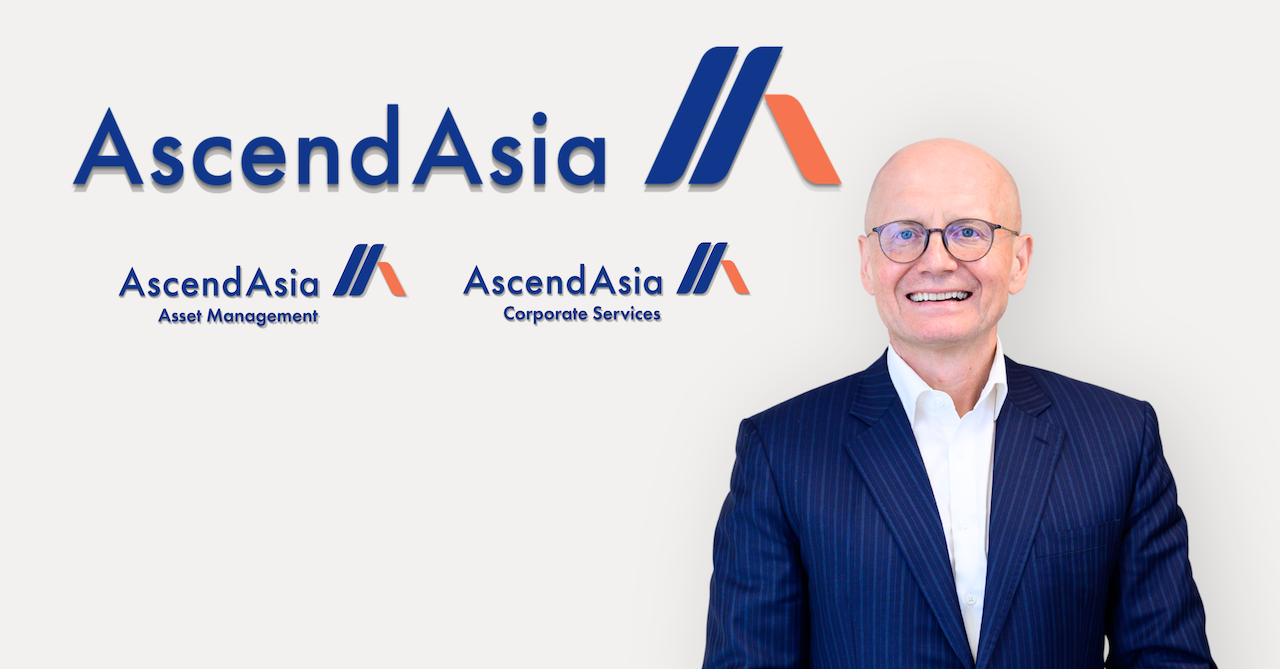
As Tomas Urbanec, CEO of Ascend Asia, Singapore’s first financial advisory platform, points out, “We live in a world defined by choice, but when it comes to financial advice, we’ve been conditioned to accept a reality of limited choice."
Re-examining the traditional advisory model, changing status quo
Urbanec is trying to change this.
He prefaces his argument with a story about how his career began – in motor insurance, where “policies are renewed annually, and consumers get to shop around for the best deal for their needs each year. It’s dynamic, fair, and logical.”
Life insurance, on the other hand, is nothing like that. It requires consumers to sign long-term contracts at fixed prices that could span anywhere between 10 to 30 years. “Being confident you have the right coverage at the right price would be even more important in this case,” Urbanec points out.
Many life insurance products are long-term, difficult to adjust, and offered within a closed distribution system that limits comparison across providers.
Drawing on decades of experience as a leader in the industry, including his time as Chief Marketing Officer and later Chief Executive Officer of Prudential Singapore, Urbanec observes that these structural constraints have made it difficult to implement meaningful change.
“I didn’t think the customers were getting a good deal,” he says matter-of-factly.
These observations would later inform the thinking behind Ascend Asia’s support for open-architecture advisory models, which seek to introduce greater transparency, comparison and choice into the financial advisory process.
Disrupting culture, not product
When global investment firm KKR came knocking, they were looking for expert insight on the insurance industry in Asia. What followed would eventually lead to the creation of Ascend Asia.
He laid out a single truth that he believed the industry had ignored for too long: the most valuable part of financial services is the relationship that a financial advisor has with the customer, and the ability to offer genuine choice.
From Urbanec’s perspective, when you enter a relationship with a typical tied insurance agent or tied advisor, you get one brand, one product universe, one worldview. In single-provider models, he explains, there is “no price discovery, no product feature discovery.”
The alternative is what he calls open architecture: an advisory model where customers have the ability to select their preferred solution from a variety of insurers and product options.
Why does this matter?
In Urbanec's view, this matters because it removes the pressure for advisors to position a single company as being superior in everything. After all, no company is.
Instead, under an open-architecture model, the consumer has choices. With choice comes empowerment. And more importantly, choice builds trust.
With KKR, he eventually aligned on a vision: to build Singapore’s financial advisory platform dedicated to open architecture—where advisory firms retain their distinctive identities and cultures, but operate on shared values and access to shared resources such as technology and capital.
Ascend Asia was born not out of disruption for disruption’s sake. When he says the industry can be fairer and more transparent, he is quite candid about what he means.
“There is a need to change the way the industry behaves—placing consumers’ needs at the centre of the advisory process. This is what the open-architecture platform can provide, through greater choice, value and transparency.”
This, essentially, is what he is trying to change.
Choice creates confidence, confidence creates trust
This is also the philosophy that underpins everything Ascend Asia does.
“When’s the last time you walked into a department store?” he asked.
Today, we buy phones, water bottles, and even toothpaste with consideration and comparison. We research. We evaluate. We demand the best deal or the best fit.
But for financial products—some of the most consequential decisions of our lives—the majority of consumers are still offered limited options by their advisors under the single-provider models.
Singapore currently has some 21,000 tied agents and 5,000 bancassurance advisors, compared to roughly 6,000 advisors operating under the open-architecture model.
“Every day,” he says, “there are 26,000 advisors out there engaging consumers under single-provider models, where recommendations are constrained to one company’s product range.”
Member firms’ advisors of Ascend Asia, in contrast, present at least two options for every recommendation.
“When you have more choice, you have more confidence. When you have more confidence in what you’ve purchased, you will have a greater trust in your advisor.”
Coupled with professional financial advisory, this trust builds a client-advisor relationship that will endure through life stages. Consider these two scenarios.
The first: an advisor takes the time to understand a pair of young parents and their financial goals. They eventually buy a long-term investment-linked policy (ILP) to build a nest egg for their child. It is appropriate for the objective, thoughtful, and aligned with their long-term goals.
The second: the same pair of young parents buy the long-term ILP without being properly informed that their premium is not fully invested—part of each premium payment is used to pay for insurance protection.
One adds to a relationship, Urbanec emphasises, while the other is a transaction. One builds trust, the other prioritises the transaction over comprehensive advisory.
Building a better industry—one firm at a time
In July 2025, Ascend Asia launched its open-architecture platform and acquired finexis advisory (“finexis”), one of Singapore’s largest open-architecture advisory firms with over 1,100 advisors and staff.
finexis would keep its own brand, its own culture, its own way of doing things—because, as Urbanec puts it, advisory firms "have a super unique culture”.
“For consumers, the Ascend Asia model aims to preserve the culture and operating style of advisory firms. These are important considerations given that the way an organisation operates often shapes how advisors engage clients,” he explains. By maintaining each firm’s identity, clients can continue working with advisors whom they are comfortable with, while benefiting from higher standards around compliance and advisory quality.
"You can't just buy multiple firms and make one huge firm. It doesn't work that way,” quips Urbanec. “There needs to be an alignment of values and long-term goals.”
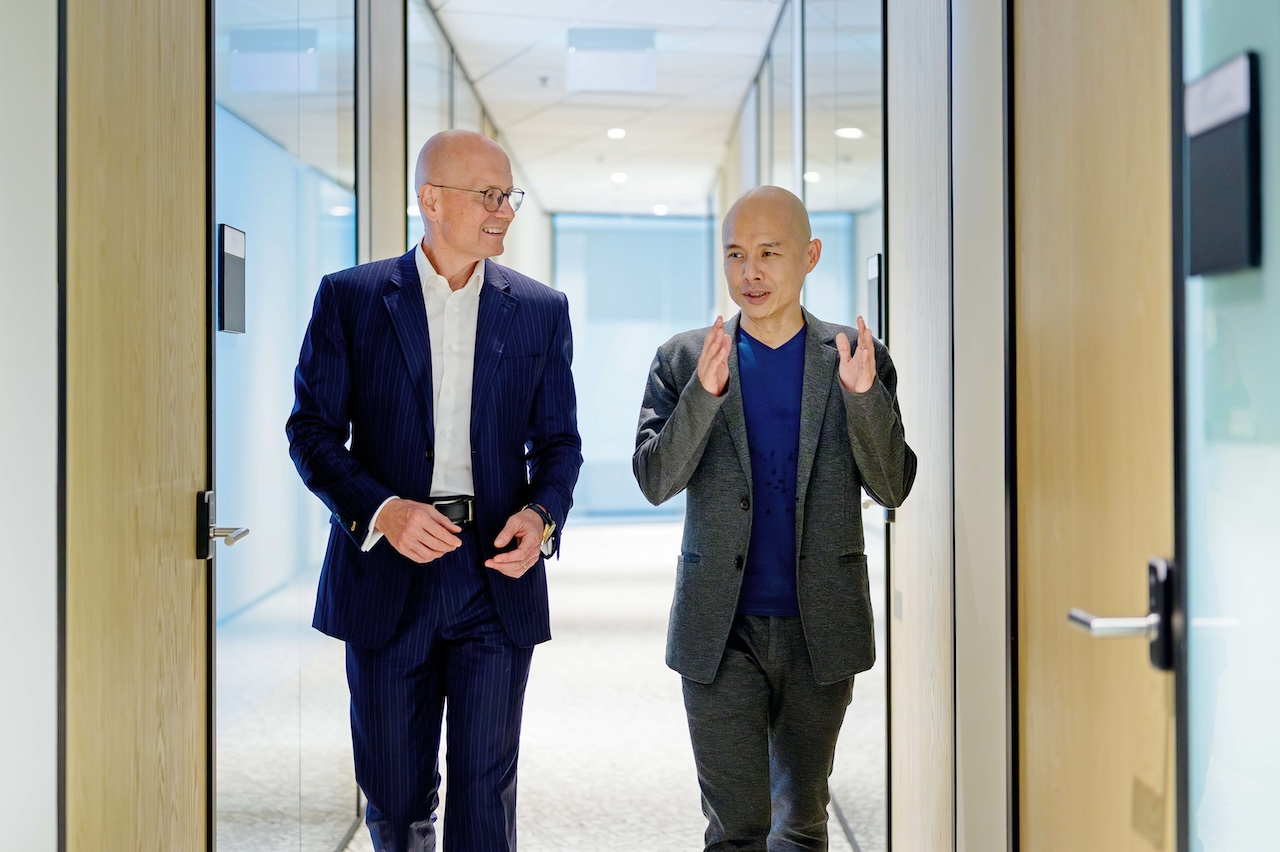
Warren Lim, CEO of finexis, shares, “Ascend Asia’s commitment to elevate the financial advisory industry aligns with finexis' vision to accelerate growth while staying true to our client‑centric values. Ascend Asia, established with the support of KKR, allows us access to unparalleled strategic support, capital, technology and operational resources without losing our brand identity or client relationships.”
“This partnership empowers finexis with a broader toolkit and global expertise to enhance the advisor experience, expand service capabilities and deliver even greater value to our clients in an evolving wealth landscape,” he adds.
There are likely more acquisitions on the horizon, but the plan is not to pursue volume and eventually acquire the whole market.
Instead, the goal is to create “a platform that can provide a level of oversight, a level of management support, a level of capital for growth”—a foundation that allows firms like finexis to remain themselves, but stronger and with a larger scale to impact more consumers.
Their acquisition criteria are strict. Above everything else is compliance and sales quality. This is followed by a shared belief in long-term planning, technology, and customer-centric growth.
This is the heart of his ambition: not just to expand, but to transform the culture of financial advisory so that good advisors can build 10-, 20-, even 30-year careers grounded in professionalism and consumer choice, not aggressive sales targets.
Urbanec is confident that Ascend Asia's model can work because he believes that there are some advisors themselves who are looking for alternatives to the traditional single-provider advisory model. Urbanec says that many know the industry is stagnant, and they are looking for a career that aligns with their values.
"There are many who believe in what we’re building and want to join us," he says.
This is why he believes that the industry needs to evolve. Consumers want choice, and advisors want more options for their clients.
With rising financial literacy, demographic shifts, and evolving expectations of advisors, the question may no longer be whether consumers want change, but when they will start expecting the industry to deliver it.
Lim adds, “Today’s consumers expect personalised, transparent and flexible financial solutions that reflect their unique goals — not one‑size‑fits‑all products. As wealth becomes more sophisticated and digital expectations rise, investors demand access to the best ideas, tools and providers across the market.”
“An open-architecture model responds directly to this shift by giving advisors the freedom to curate high‑quality solutions from multiple sources, rather than being constrained by proprietary offerings. This means richer choice, greater flexibility and more tailored outcomes for clients, enhancing trust and relevance in an increasingly competitive advisory landscape.”
As these expectations take hold, advisory models that prioritise transparency, comparison and long-term suitability are likely to stand out. Open-architecture platforms offer an alternative framework for this shift—one where advice is shaped by client needs rather than product sales, and where trust is built through the power of informed choices.
This was why Ascend Asia was established: to support the growth of advisory firms operating under an open-architecture model that places consumer choice, transparency and long-term trust at the heart of financial advice.
Visit their website to learn more about Ascend Asia.
Read also
Gain financial insights in minutes
Subscribe to our free weekly newsletter for more insights to grow your wealth
Most Popular

Comments
0 comments