
ASEAN’s booming medical tourism: Why Southeast Asia’s world-class healthcare is drawing global demand from both patients and investors
Stocks
Powered by

By Gerald Wong, CFA • 05 Nov 2026
Why trust Beansprout? We’ve been awarded Best Investment Website at the SIAS Investors’ Choice Awards 2025

Make Beansprout your preferred source on Google
Add us on Google to see more of our insights in your search results
ASEAN medical tourism market could triple by 2034. Discover the key trends, risks, and investment opportunities in this sector.

ASEAN’s medical tourism story is entering a new phase.
For many years, Thailand, Malaysia and Singapore have been popular destinations for international patients seeking private healthcare.
That changed during the COVID-19 pandemic, when border closures caused international patient arrivals to fall sharply.
Today, the recovery is well underway.
International patient flows have rebounded across the region and, in many cases, surpassed pre-pandemic levels.
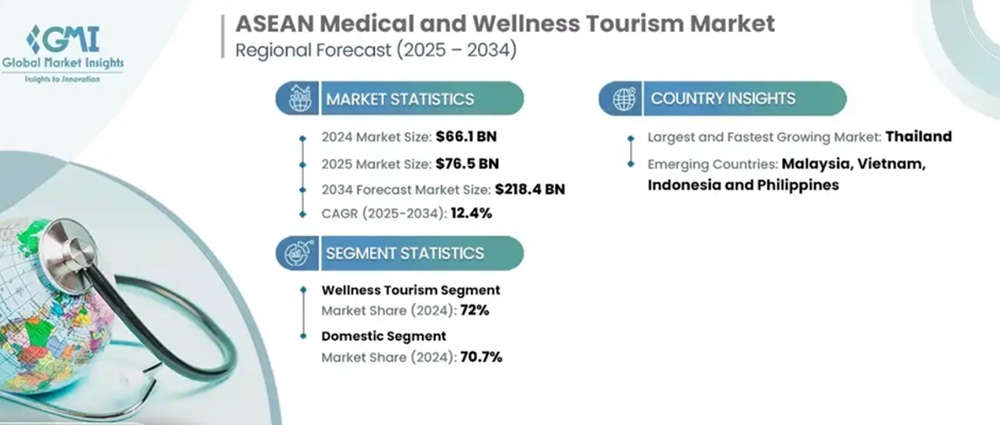
The ASEAN medical and wellness tourism market was estimated at US$66.1 billion in 2024, and is projected to reach US$218.4 billion by 2034, representing a compound annual growth rate of 12.4%, according to Global Market Insights.
This is also an intra-ASEAN story where a growing number of Southeast Asian patients travel to neighbouring countries for treatment.
This makes ASEAN medical tourism a broader structural theme, supported by rising incomes, ageing populations, improving healthcare quality and the expansion of private hospital capacity.
In this article, we look at why ASEAN stands out for medical tourism, how the theme is evolving, and where investors can gain exposure across listed healthcare companies.
Why does ASEAN stand out for medical tourism?
ASEAN medical tourism is supported by three key advantages: lower treatment costs, improving hospital standards with international accreditation, and active government support.
Together, these factors have helped make the region an attractive destination for medical travellers.
#1 – Significant cost savings compared to Western countries
Cost remains one of the main reasons patients travel to ASEAN for medical treatment.
Many medical tourists pay out of pocket, especially for elective medical procedures or treatments that are not fully covered by insurance.
According to Mordor Intelligence, medical procedures in ASEAN can cost 40% to 80% less than equivalent treatments in the United States or Western Europe.
For patients without sufficient insurance coverage, or those facing long waiting times in their home countries, travelling to Southeast Asia for treatment can become a practical alternative.
#2 – World-class hospitals that meet international standards
ASEAN medical tourism is also becoming increasingly competitive on quality.
The Joint Commission International (JCI) accreditation is widely regarded as the global gold standard for hospital quality in the world.
Across the Asia-Pacific region, the number of JCI-accredited hospitals has grown from 800 in 2020 to more than 1,100 in 2025.
Thailand’s Bumrungrad International Hospital was ranked the No. 1 hospital in Thailand by Newsweek and Statista for six consecutive years in 2021-2026.
It also ranked 96th globally.
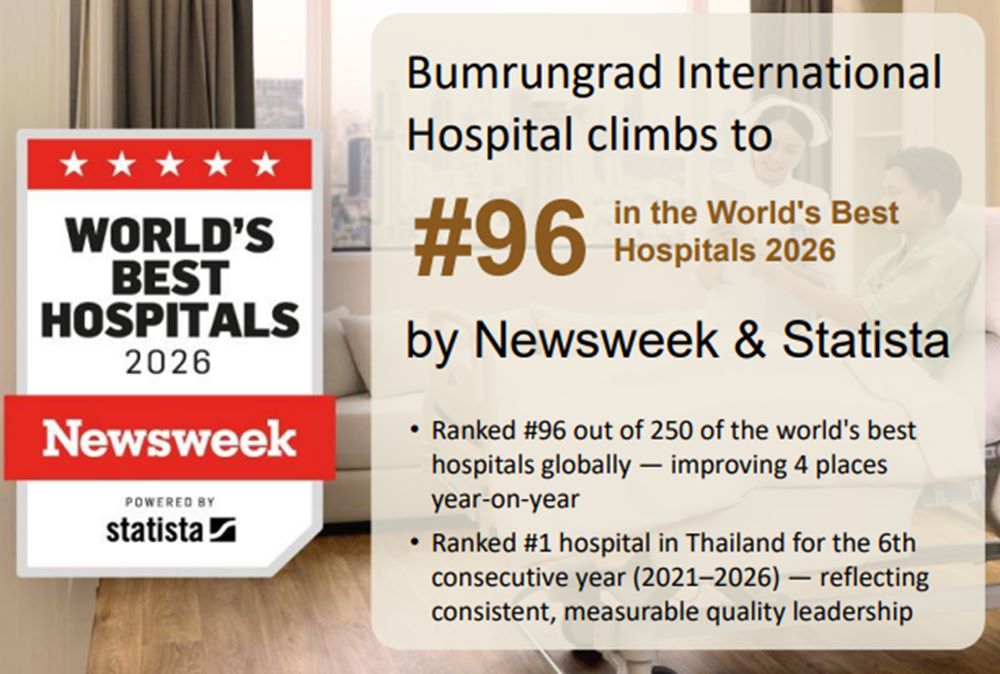
These international recognitions provide medical tourists the confidence that they can receive treatment that meets internationally recognised standards.
#3 – Strong and growing intra-ASEAN patient flows
ASEAN medical tourism is often associated with patients travelling from outside the region for more affordable healthcare.
However, a large portion of the demand also comes from within Southeast Asia.
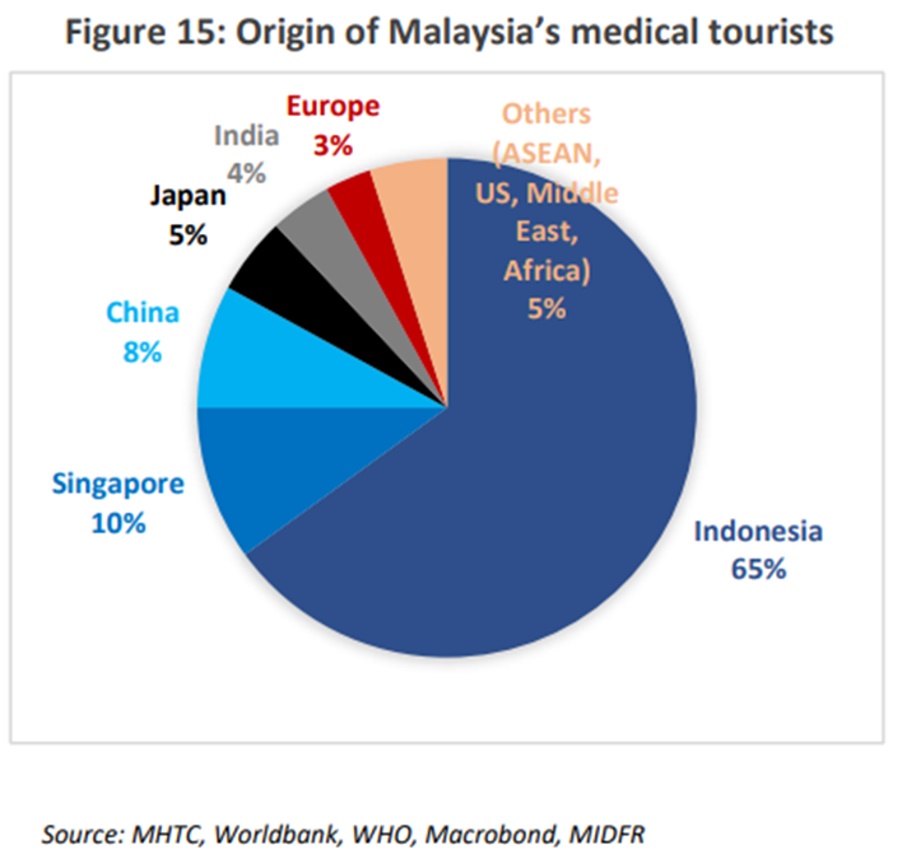
Many Indonesians, especially those from Sumatra and West Kalimantan, travel to Malaysia to get second opinions or specialised treatments because it can be cheaper than flying to Jakarta.
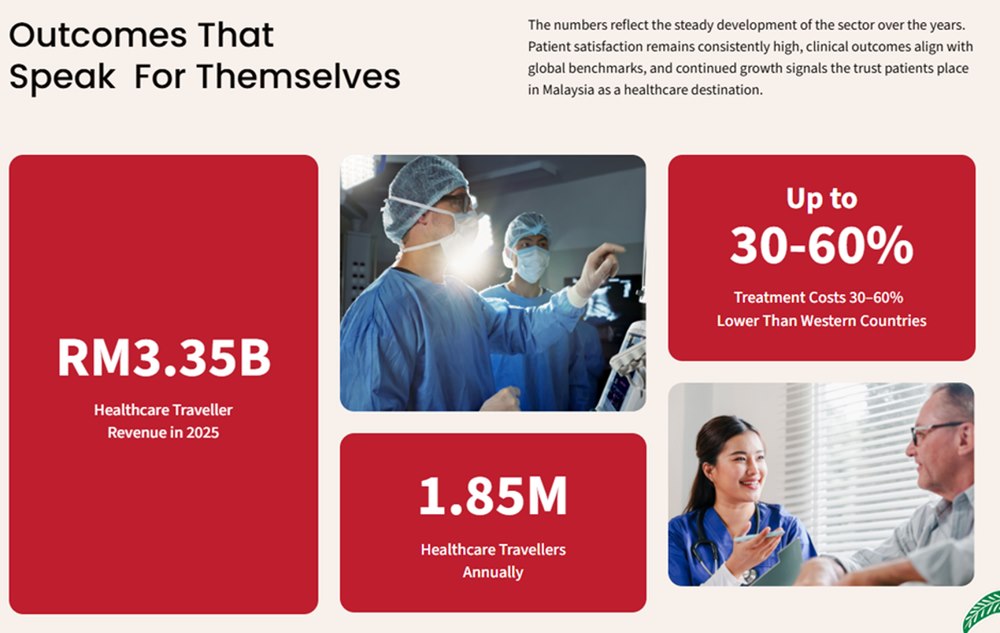
In 2025, according to the Malaysia Healthcare Travel Council, Malaysia welcomed 1.84 million international patients, of which about 65% of them are from Indonesia.
Patients from Cambodia, Myanmar and Laos also travel to Thailand and Vietnam for specialised treatments that may be unavailable or limited in their home healthcare systems.
Mordor Intelligence reported that Thailand welcomed 1.2 million international patients in 2024.
At the premium end of the market, Singapore has built a strong reputation for high-quality healthcare.
It ranked first globally for the quality of its healthcare facilities and services, attracting patients who are willing to pay more for specialised private care.
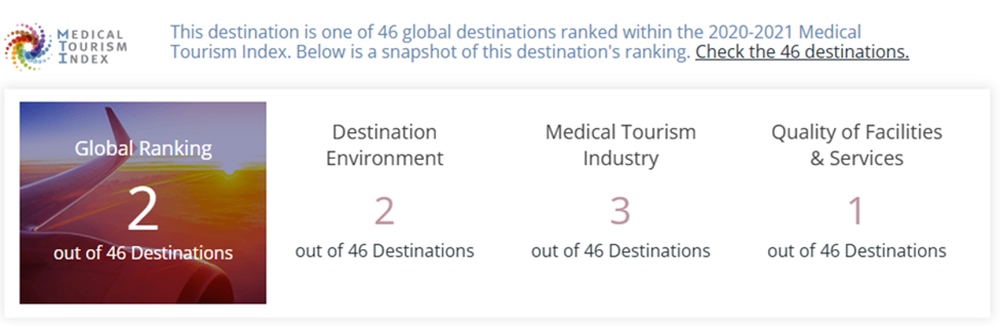
Governments across Southeast Asia are also becoming more active in promoting medical tourism, recognising its potential to benefit not only the healthcare sector but also tourism, hospitality and other related industries.
Malaysia established the Malaysia Healthcare Travel Council to market its healthcare services internationally.
Indonesia launched the Sanur Health and Wellness Special Economic Zone in Bali, anchored by Bali International Hospital and wellness facilities.
Vietnam has made it easier for international patients to visit by shortening e-visa processing time and expanding visa-free entry.
In 2024, Mordor Intelligence reported that Thailand spent over US$20 million on healthcare marketing, with a particular focus on attracting patients from West Asian and European countries.
The Philippines already has a dedicated visa category for foreign visitors travelling for medical treatment, while the Philippine Economic Zone Authority allows the development of specialised Medical Tourism Parks and Medical Tourism Centers.
The Department of Tourism is also working with the Philippine Institute for Development Studies on a health-tourism value-chain study running through January 2027, aimed at developing a framework for the sector under the country's National Tourism Development Plan.
These initiatives highlight the growing role governments are playing in supporting the development of medical tourism across the region.
#4 – Demographics are a structural tailwind
ASEAN’s ageing population is growing rapidly.
The proportion of people aged 65 and above grew from 5.4% in 2005 to 8.2% in 2024 while total population size grew from about 560 million to about 684 million over the same period.
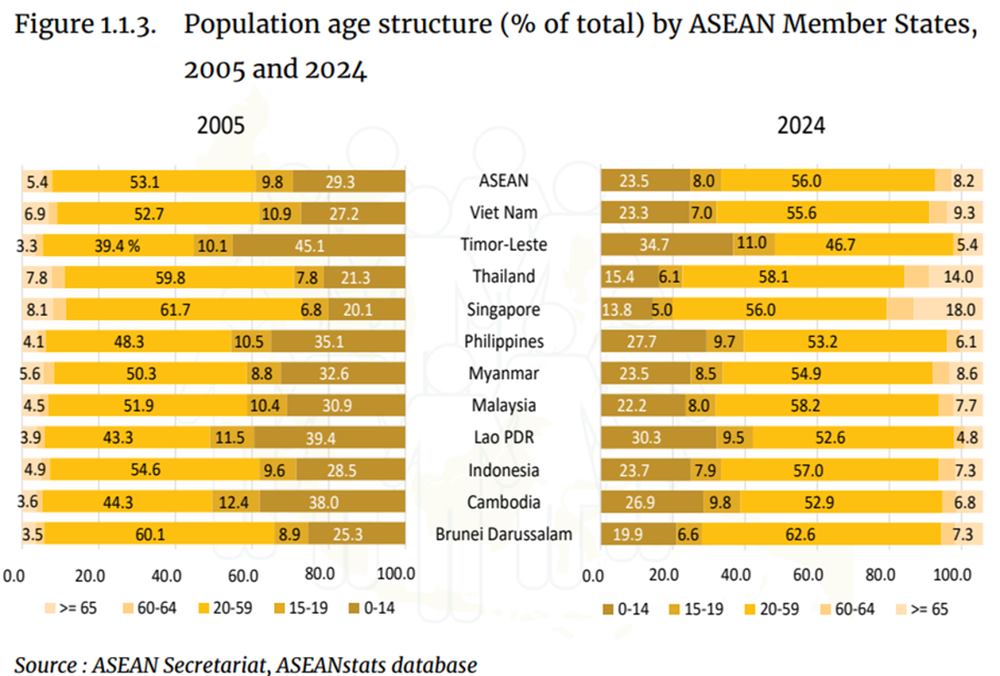
This supports demand for geriatric care, cardiac surgery, cancer treatment, orthopaedic procedures, chronic diseases, and rehabilitation. These are typically high-value medical tourism categories.
This trend is likely to persist, which will in turn continue to drive sustained and increasing demand for these types of medical tourism.
At the same time, a growing middle class across the region is becoming more willing and able to pay for private healthcare.
Together, these demographic trends have the potential to create long-term demand from both domestic and international patients.
As a result, ASEAN medical tourism may benefit from both the recovery in international travel and long-term structural trends that are likely to drive future growth.
What to pay attention to when investing in medical tourism
#1 – Revenue per patient
Revenue per patient can indicate whether a hospital is moving up the value chain by treating more complex and higher-value cases.
However, a higher figure does not always mean a hospital is seeing stronger underlying demand.
Revenue per patient can also increase because of medical inflation. Investors should look at this together with patient volumes and occupancy rates.
Hospitals that are able to increase revenue per patient while maintaining patient volumes and high occupancy rates may have stronger pricing power.
#2 – Medical tourism revenue as a share of total revenue
Some hospital groups disclose revenue from international patients separately from domestic patients.
This can be useful for investors tracking the momentum of medical tourism. A growing share of international patient revenue may signal stronger brand recognition, better referral channels, or a more attractive patient experience.
However, international patient flows can also be affected by factors such as geopolitical tensions, visa policies, currency movements, and travel disruptions.
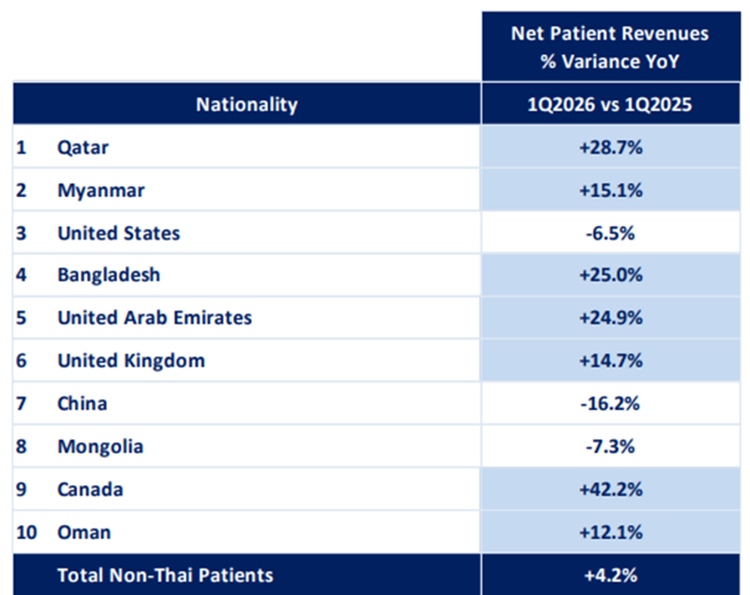
For example, Bumrungrad reported that international patient revenues amounted to about 66% of total revenues.
In Q1 2026, international patient revenues increased by 4.2% year-on-year, driven by increased revenues from Qatar, Bangladesh, United Arab Emirates, Myanmar and others.
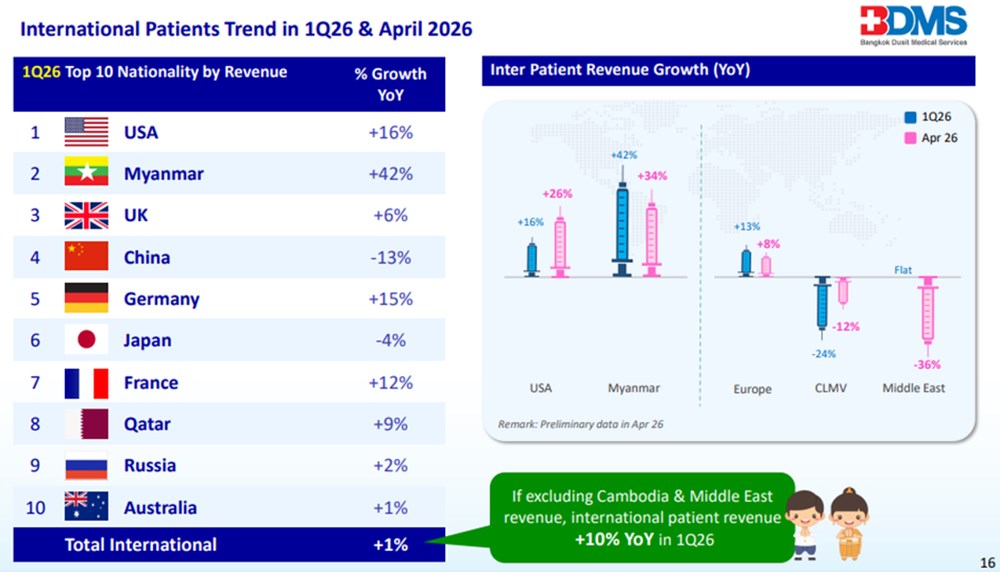
Bangkok Dusit Medical Services (BDMS) also derives a significant portion of its revenue from international patients, who account for around 30% of total revenue.
Its international patient base is led by visitors from the US, Myanmar, the UK, China and Germany.
However, revenue from patients in Cambodia and the Middle East declined sharply due to geopolitical issues.
#3 – Bed capacity expansion
Hospitals are positioning for long-term volume growth by adding new bed capacities.
Capacity expansion is a capital-intensive process and is usually seen as a signal of confidence for demand growth.
However, it is important to watch whether new capacity is matched by patient demand.
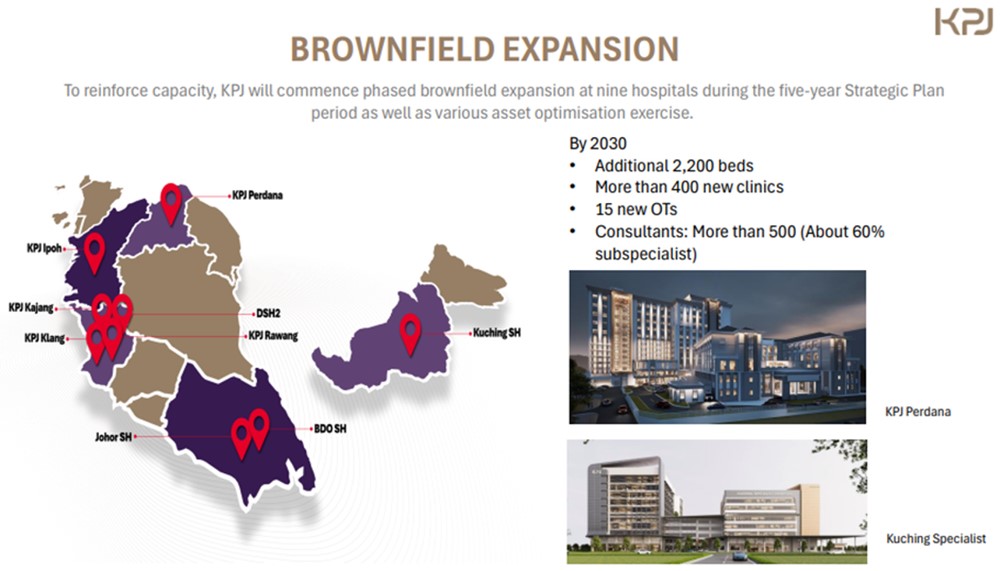
In Malaysia, KPJ Healthcare targets to expand its bed capacity from over 3,700 beds currently to nearly 6,000 beds by 2030.
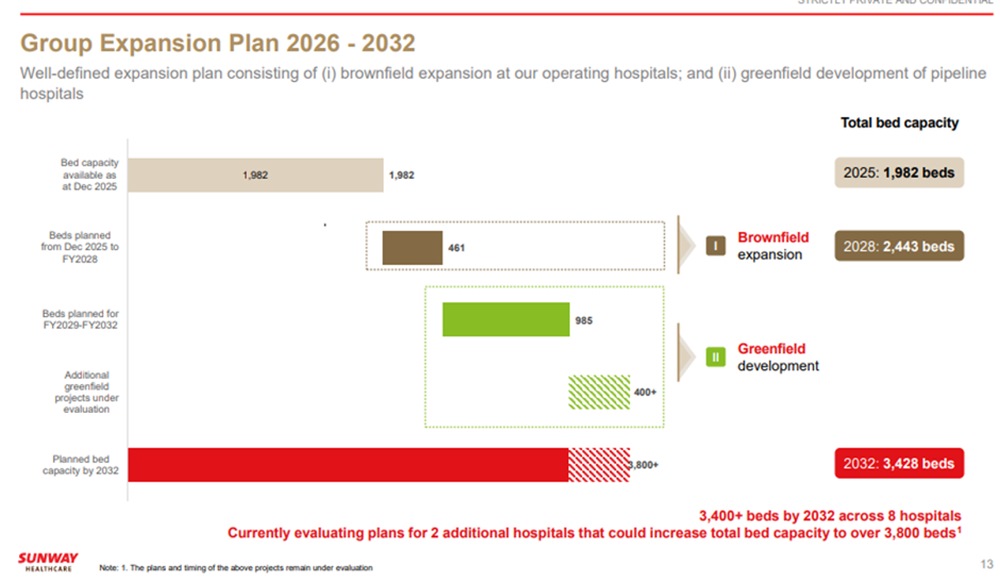
Sunway Healthcare has also just raised over RM830 million from an IPO exercise and is looking to spend over RM550 million to expand the capacities in its hospitals to over 3,400 beds by 2032 from almost 2,000 beds currently.
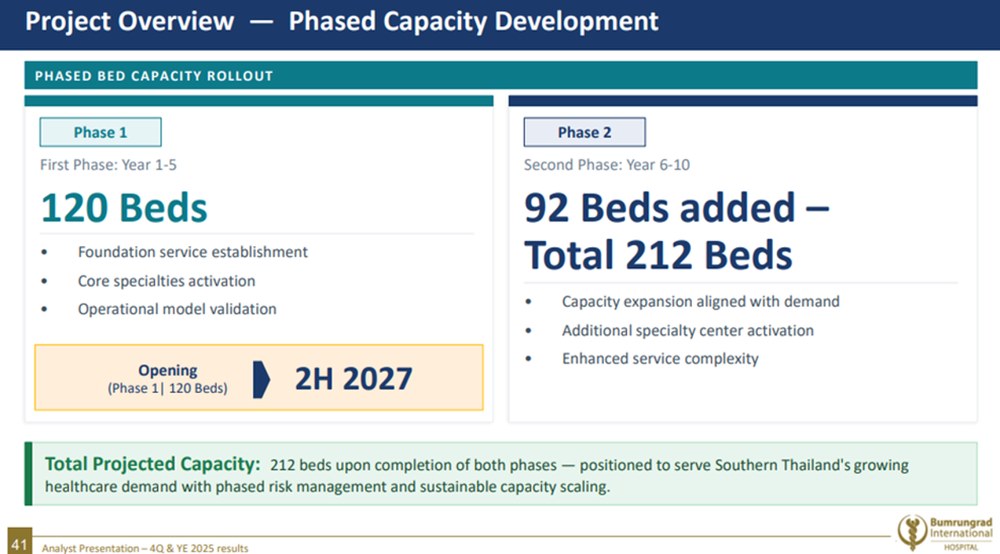
In Thailand, Bumrungrad has allocated THB4.3 billion to build Bumrungrad International Hospital Phuket (BIHP).
The hospital is expected to open in the second half of 2027 with 120 beds in its first phase, before expanding to 212 beds.
#4 – JCI accreditation progress
New JCI accreditations can be seen as a signal that hospitals are seeking to cater to international patients and meet globally recognised quality standards.
For example, according to Mordor Intelligence, Vietnam added five new JCI-accredited healthcare facilities in 2024 alone.
#5 – Government policy signals
Government support can be an important leading indicator for medical tourism and patient volume growth.
It is important to watch for developments such as medical tourism visa policies, healthcare special economic zone (SEZ) announcements, healthcare travel campaigns and incentives for hospital investment.
What are the key risks to consider?
#1 – Medical inflation and insurance friction
Medical inflation can support hospital revenue growth, but it can also increase costs for patients and insurers.
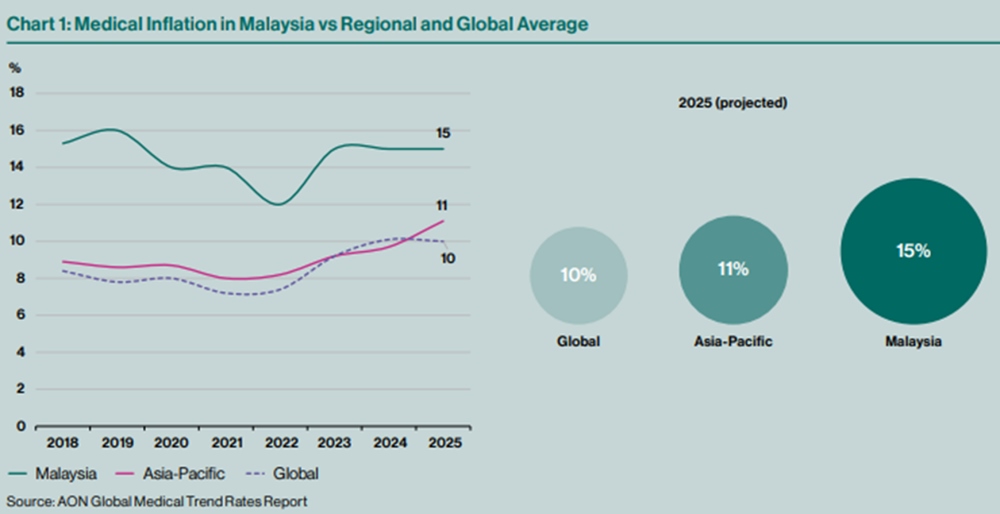
In Malaysia, medical inflation was projected at about 15% in 2025, higher than the global and Asia-Pacific averages, according to Bank Negara Malaysia.
Rising healthcare costs have also contributed to a sharp rise in medical insurance premiums in Malaysia and across the region, causing friction between hospitals and insurance companies.
According to The Edge Malaysia, Bank Negara Malaysia has capped annual insurance premium increases at below 10% and paused premium hikes for policyholders aged 60 and above.
Such policies may create pressure on continued revenue growth for some hospital operators.
#2 – Specialist labour costs
Experienced doctors, surgeons, and specialists remain scarce across ASEAN.
Competition for talent can push up staff costs and compress margins, especially in high-value specialties such as cardiology, oncology and orthopaedics.
#3 – Currency risk
Hospital groups with multi-country operations are exposed to movements in the various currencies used.
For Singapore-based investors, returns can also be affected if local currencies weaken against the Singapore dollar.
#4 – Regulatory and policy risk
Healthcare is a heavily regulated sector.
Balancing affordability of healthcare against growth in revenue is a difficult task for regulators.
Changes to foreign ownership rules, insurance reimbursement frameworks, or drug pricing policies may have a significant impact on hospital earnings.
As a result, it is important to monitor changes in regulations and healthcare policies across each market.
#5 – Concentration risk for smaller players
Some listed hospital stocks operate in only one city or region.
This may create concentration risk because demand shocks or new competition could have an outsized impact on the performance of that company.
Where are the investment opportunities in ASEAN medical tourism?
The ASEAN medical tourism theme is not a single, uniform investment idea.
Each market offers a different opportunity.
Thailand and Malaysia are established medical tourism hubs, while Singapore provides exposure to premium private healthcare.
Indonesia, Vietnam and the Philippines are more closely tied to domestic private healthcare growth and the gradual upgrade of healthcare standards.
The companies below are shared for educational purposes only and do not constitute investment recommendations.
Singapore
Singapore is one of ASEAN’s most advanced healthcare markets.
Rather than competing on affordability, it is known for premium private healthcare, specialist treatment and complex medical procedures.
IHH Healthcare Berhad (SGX: Q0F)
IHH Healthcare Berhad is a dual-listed company in both Malaysia and Singapore, making it one of the largest listed healthcare groups in the region.
In Singapore, it operates well-known brands such as Mount Elizabeth, Gleneagles, Parkway and Parkway Shenton.
These hospitals focus on specialist, tertiary and quaternary care, serving both local and international patients.
Beyond Singapore, IHH also has operations in Malaysia, Türkiye, India and Greater China, giving the group a diversified healthcare platform across Asia.
Raffles Medical Group (SGX: BSL)
Raffles Medical is an integrated Singapore healthcare group with Raffles Hospital, Raffles Medical clinics, Raffles Dental, Raffles Chinese Medicine and Raffles Health Insurance.
Beyond Singapore, it has operations in China, Japan, Vietnam and Cambodia, as well as representative offices in Indonesia and Bangladesh.
Foundation Healthcare Holdings (SGX: 8CF)
Foundation Healthcare is a Singapore-based private multi-specialty healthcare group with a network of specialist doctors and clinics.
Its specialties include cardiology, gastroenterology, general surgery, orthopaedics, obstetrics and gynaecology, neurology and urology.
The group also operates ambulatory medical centres, providing selected procedures and surgeries outside a traditional hospital setting.
Thomson Medical Group (SGX: A50)
Thomson Medical focuses on women’s health, fertility, maternity and children’s health.
Its regional footprint includes Singapore, Malaysia and Vietnam, including FV Hospital in Ho Chi Minh City.
Malaysia
Malaysia is one of ASEAN’s most established medical tourism markets, supported by affordable private healthcare, English-speaking doctors, geographic proximity to Indonesia and Singapore, and well-developed hospital clusters in places like Kuala Lumpur and Penang.
IHH Healthcare (Bursa: IHH)
Since IHH Healthcare is listed on both the SGX and Bursa Malaysia, both listings represent exposure to the same group.
KPJ Healthcare (Bursa: KPJ)
KPJ is one of Malaysia’s largest private specialist hospital groups.
Its core brand is KPJ Specialist Hospital, with hospitals across Malaysia and some overseas exposure in Indonesia, Bangladesh and Thailand.
Sunway Healthcare (Bursa: SUNMED)
Sunway Healthcare became a listed company following its Bursa Malaysia IPO in March 2026.
Its flagship asset, Sunway Medical Centre in Kuala Lumpur, is Malaysia’s largest private quaternary hospital with 1,805 licensed beds as of January 2026.
Indonesia
Indonesia is ASEAN’s largest healthcare demand pool, so its medical tourism angle is unique.
Rather than attracting international patients, the opportunity lies in retaining more Indonesians who would otherwise travel overseas for medical treatment.
PT Siloam International Hospitals (IDX: SILO)
Siloam is one of Indonesia’s largest private hospital operators, with more than 41 hospitals and 25 clinics across Indonesia.
PT Mitra Keluarga Karyasehat (IDX: MIKA)
Mitra Keluarga operates a network of private hospitals, primarily under the Mitra Keluarga brand, with a strong presence in Java and other major urban areas.
The group also operates the Kasih hospital network, expanding its reach into broader healthcare segments.
PT Medikaloka Hermina (IDX: HEAL)
Hermina has historically been associated with women and children’s healthcare.
The group operates under the Hermina Hospitals brand and has expanded into general hospitals nationwide.
Thailand
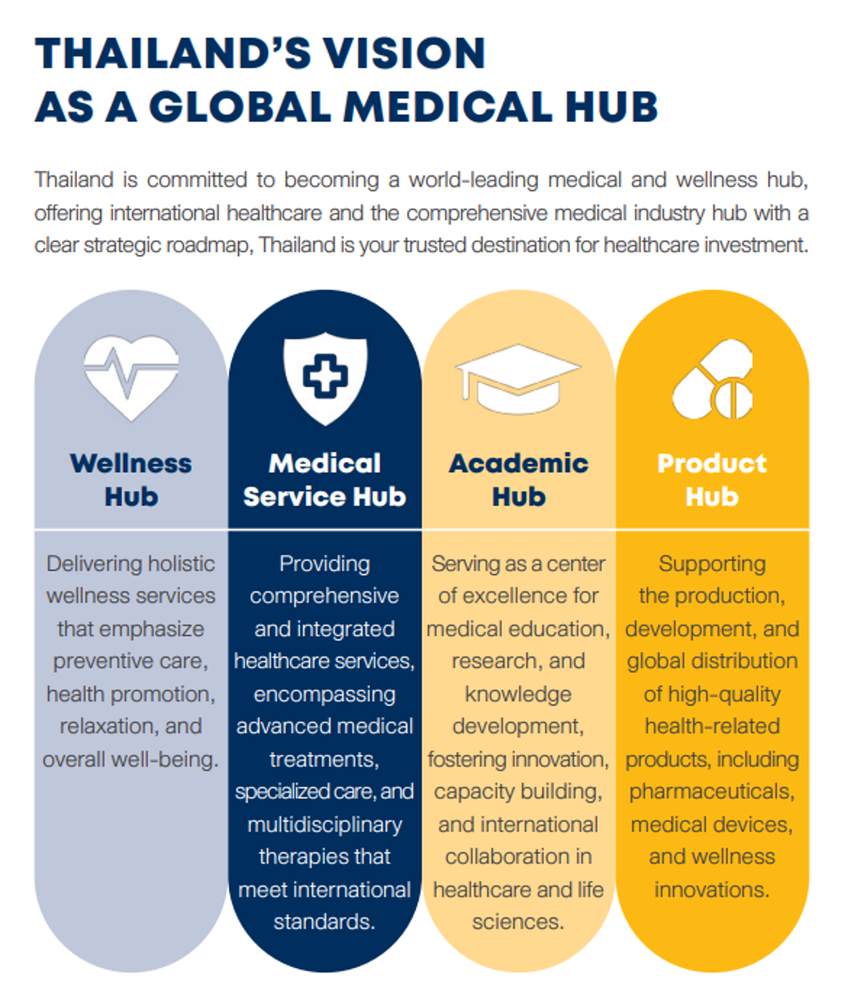
Thailand’s advantage comes from a combination of private hospital scale, established international patient services, competitive pricing, tourism infrastructure and a strong wellness brand.
The Thai government has also been pushing a broader Global Health Hub strategy, covering healthcare services, wellness tourism, Thai massage, health products, medical spas, health resorts and long-stay wellness services.
This is supported by Thailand's Medical Hub strategy, which runs from 2025 to 2034.
Bumrungrad International Hospital (SET: BH)
Bumrungrad is one of ASEAN’s top hospitals and has been rated as Thailand’s No.1 hospital for 6 consecutive years.
Based in Bangkok, it serves patients from over 190 countries annually.
The hospital focuses on premium international healthcare, offering multilingual support, airport transfer services and facilities designed to cater to international patients.
Bangkok Dusit Medical Services (SET: BDMS)
BDMS is Thailand’s largest private hospital network, with hospital brands including Bangkok Hospital, Samitivej, Phyathai, Paolo, BNH and Royal International Hospital.
It also owns wellness and healthcare support assets such as BDMS Wellness Clinic, Movenpick BDMS Wellness Resort Bangkok, N Health laboratories and BDMS Medevac.
Vietnam
Vietnam is an emerging medical tourism market, supported by competitive healthcare costs, improving private healthcare infrastructure and growing medical hubs in Ho Chi Minh City, Hanoi and Da Nang.
TNH Hospital Group JSC (HOSE: TNH)
TNH is a private general hospital chain in northern Vietnam.
Its facilities include Thai Nguyen International Hospital, Yen Binh Thai Nguyen General Hospital and TNH Viet Yen Hospital in Bac Giang.
Tam Duc Cardiology Hospital JSC (HOSE: TMD)
Tam Duc is a specialist cardiology hospital based in Ho Chi Minh City.
Operating under the Tam Duc Cardiology Hospital brand, it focuses on cardiovascular care, including heart surgery, catheterisation, arrhythmia treatment, emergency cardiac care and inpatient services.
Philippines
The Philippines is still an emerging medical tourism market compared with Thailand and Malaysia.
Its opportunity is supported by a large domestic population, rising private healthcare demand and continued investment in healthcare infrastructure.
However, listed exposure to pure-play private hospital operators is relatively limited. Investors looking to participate in the theme may therefore need to look beyond hospitals to companies that could benefit indirectly from the growth of healthcare and tourism.
Medical tourists typically spend beyond the cost of treatment. Patients may stay for several days or weeks before and after a procedure, while accompanying family members also spend on accommodation, food, transport and other services.
This means that hospitality companies could potentially benefit if the Philippines succeeds in attracting more medical and wellness travellers.
Ayala Land (PSE: ALI)
Ayala Land is one of the Philippines' largest property developers, with businesses spanning residential property, malls, offices, hotels and resorts.
While medical tourism represents only a small part of overall hotel demand, Ayala Land could benefit indirectly from rising international visitor arrivals and longer-stay travellers seeking healthcare, wellness or specialist treatment in the Philippines.
There is also a broader healthcare connection through parent company Ayala Corporation. Its AC Health subsidiary is building an integrated healthcare platform spanning hospitals, clinics, pharmacies and pharmaceutical distribution, providing another way for the Ayala group to participate in growing healthcare spending.
Robinsons Land (PSE: RLC)
Robinsons Land provides another indirect way to gain exposure through hospitality.
Its Robinsons Hotels and Resorts business operates a range of properties, from Go Hotels and Summit Hotels to international and luxury brands including Crowne Plaza, Holiday Inn and Dusit Thani Mactan Cebu.
These property companies should not be viewed as pure medical tourism plays, as their earnings are driven primarily by broader property and tourism trends.
However, they illustrate how investors may gain indirect exposure to the wider economic activity created by medical tourism, including accommodation, tourism and consumer spending.
Putting the ASEAN medical tourism theme into perspective
ASEAN medical tourism is a compelling long-term theme, but it should not be treated as a simple recovery story.
While international patient arrivals have rebounded, the bigger opportunity may be supported by rising incomes, ageing populations, improving private healthcare standards and a growing willingness to travel for specialised treatment.
Thailand and Malaysia offer the clearest exposure to mature medical tourism flows while Singapore provides premium specialist healthcare exposure.
Indonesia and Vietnam offer exposure to domestic private healthcare catch-up, while the Philippines represents an earlier-stage healthcare and tourism opportunity.
With relatively limited direct listed hospital exposure, investors may instead look at broader healthcare groups and hospitality companies that could benefit as the country's medical and wellness tourism ecosystem develops.
Rather than focusing on a single country or hospital stock, it is important to understand how each market contributes to the broader ASEAN healthcare story.
By investing across ASEAN's six markets, investors can build a diversified portfolio that benefits from Thailand's mature medical tourism infrastructure, Malaysia's government-driven growth, Indonesia's massive domestic healthcare deficit, and Vietnam's high-growth frontier opportunity.
As with any ASEAN investment theme, it is also important to review company announcements, financial results, exchange filings and valuations before making any investment decisions.
Medical tourism may be a structural growth story, but hospital stocks can still be affected by regulation, labour costs, insurance pressure, currency movements and execution risk.
About ASEAN Exchanges
ASEAN Exchanges is a collaboration among the stock exchanges of ASEAN member countries.
Its objectives are to promote greater integration of ASEAN capital markets, enhance the visibility of ASEAN as an asset class, and strengthen the region's position as an attractive investment destination for both regional and global investors.
Current participating ASEAN exchanges (“Member Exchanges”) are Bursa Malaysia Berhad, Indonesia Stock Exchange, The Philippine Stock Exchange, Singapore Exchange, The Stock Exchange of Thailand, and Vietnam Exchange.
More information about ASEAN Exchanges can be found here.
Join the Beansprout Telegram group and Facebook group for the latest insights on Singapore stocks, REITs, bonds and ETFs.
Follow Beansprout on Youtube, Facebook and Instagram, and add Beansprout as your preferred source on Google so you never miss an update.
This article is for informational and educational purposes only and does not constitute investment advice. Investors should conduct their own due diligence and consult a qualified financial adviser before making any investment decisions.
Read also
Gain financial insights in minutes
Subscribe to our free weekly newsletter for more insights to grow your wealth
Most Popular

Comments
0 comments