
How to tap Hong Kong stocks for China growth opportunities
Stocks
By Gerald Wong, CFA • 31 Jul 2026
Why trust Beansprout? We’ve been awarded Best Investment Website at the SIAS Investors’ Choice Awards 2025
Hong Kong stocks offer Singapore investors access to China tech, biotech, EVs and other growth opportunities. Here’s what to know before investing.

What happened?
The Hong Kong market is attracting renewed attention.
Following a record year for IPO fundraising in 2025, momentum has continued into the first half of 2026.
Hong Kong Exchanges and Clearing Limited (HKEX) hosted 85 IPOs that raised nearly HK$210 billion (approximately US$27 billion), with many new listings coming from high-growth sectors such as artificial intelligence (AI), advanced manufacturing and biotechnology.
Many Singapore investors are already familiar with household names listed on HKEX such as HSBC, Tencent, Alibaba, BYD, and AIA.
However, not everyone invests in these companies directly on the Hong Kong market.
Today, the Hong Kong market is more than a market for banks and property developers.
It has become one of the key gateways for investing in China's innovation economy, providing access to companies across artificial intelligence (AI), semiconductors, biotechnology, electric vehicles (EVs), consumer technology and more.
In this article, we look at why Hong Kong deserves a closer look, how you can get exposure, and the risks to consider before investing.
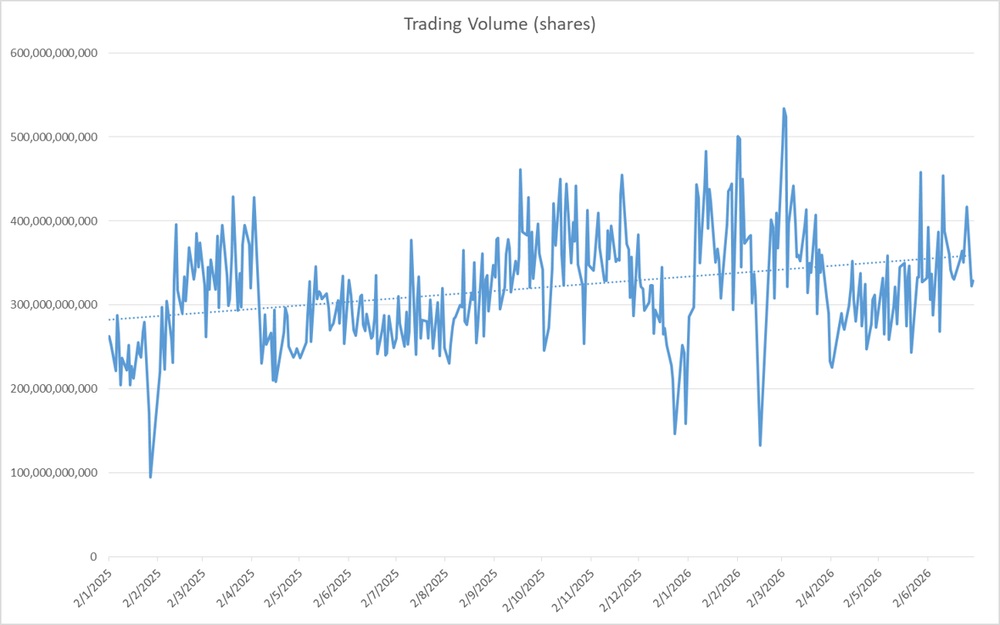
What to know about Hong Kong stocks now
#1 - Hong Kong offers access to China’s growth sectors: AI, semiconductor, internet platforms, and the digital economy
For several years, China's technology sector was weighed down by regulatory uncertainty and weaker investor sentiment.
But breakthroughs in artificial intelligence (AI), led by models such as DeepSeek, Qwen and Zhipu AI, have renewed confidence in China's ability to compete at the forefront of technology.
Beyond AI foundation models mentioned above, investors can also gain exposure to companies across the AI value chain, including semiconductor manufacturers, cloud computing providers, internet platforms, robotics, smart hardware and enterprise software.
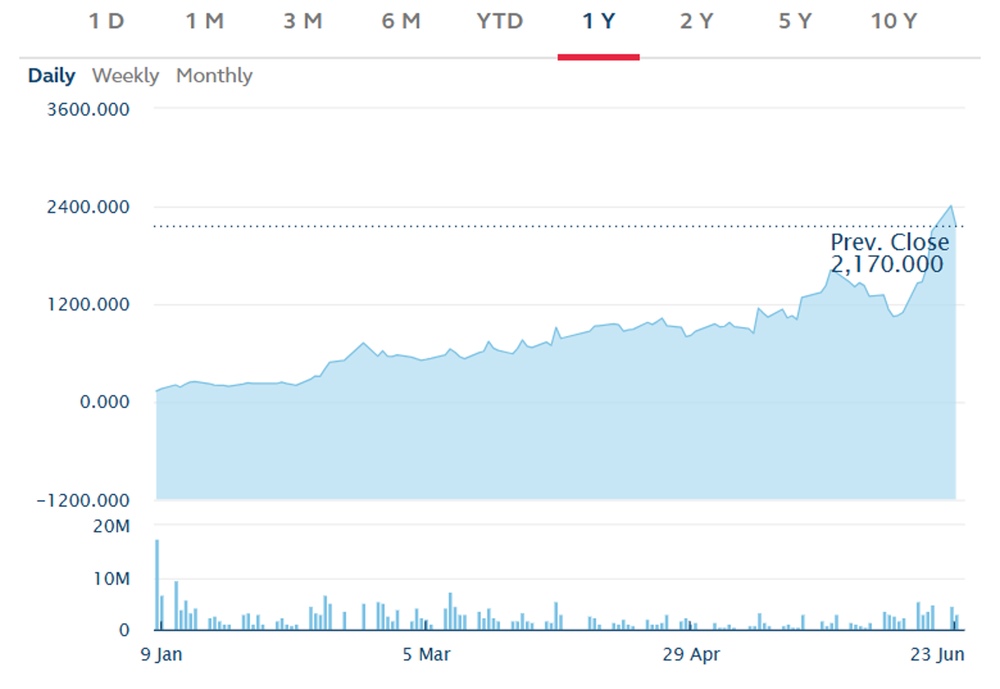
One example is Knowledge Atlas Technology (2513.HK), the parent company of Zhipu AI, which raised over HK$4 billion (approximately US$510 million) through its IPO on HKEX in January 2026, and it was oversubscribed by over 1100x.
Since its IPO, Knowledge Atlas Technology has already risen by nearly 17x as of 24 June 2026.
Unlike many other international exchanges, HKEX serves as one of the primary gateways for investing in Chinese Mainland's equity market.
Through its listing regime and the Stock Connect programme, which links the Hong Kong and Chinese Mainland stock markets, HKEX provides international investors with access to many of China's largest and fastest-growing companies that may otherwise be difficult to invest in directly, such as CATL, Kweichow Moutai, and BYD
As more innovative Chinese companies choose Hong Kong as their listing venue, HKEX continues to strengthen its role as an important bridge connecting global capital with China's innovation economy.
#2 - Biotech: Commercially mature pharmaceutical and healthcare innovation
China’s biotech industry has evolved substantially from just manufacturing generic drugs.
Many listed companies are now involved in original drug discovery and research in disciplines such as oncology, autoimmune diseases, metabolic diseases, and cell therapies.
HKEX played a major role in this shift after introducing Chapter 18A into its listing framework, allowing eligible pre-revenue biotech companies to list in Hong Kong.
This gave earlier-stage biotech companies a way to raise capital from public markets in their journey to commercialisation.
Since then, Hong Kong has become one of Asia’s most active biotech listing venues.
86 companies have listed under Chapter 18A as of April 2026, raising more than US$17.8 billion in funds, with a combined market capitalisation of more than US$185 billion.
Today, 95.4% of the Hang Seng Biotech Index (HSBIO) by index weight consists of revenue-generating companies.
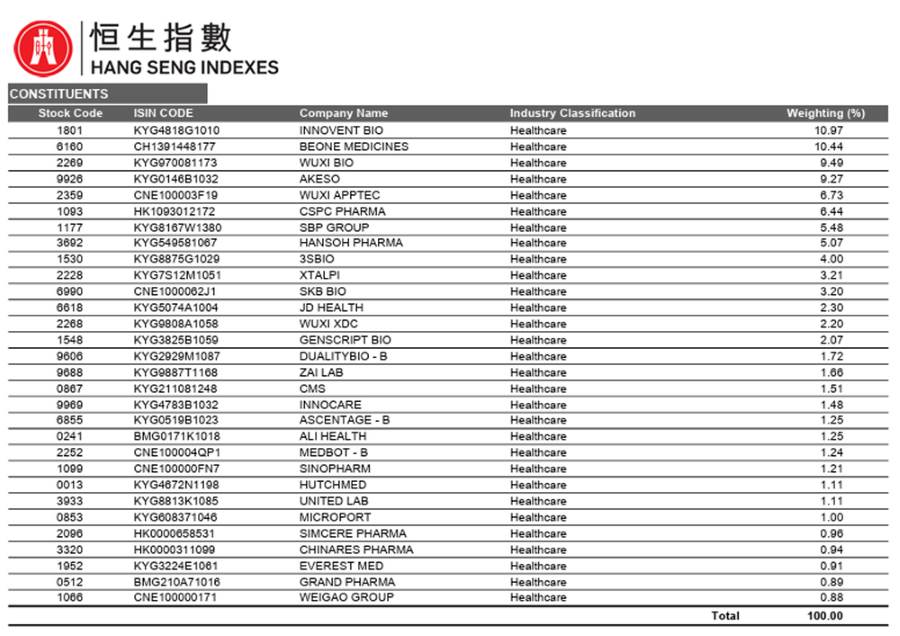
This reflects the progress and evolution of the Hong Kong biotech sector from just R&D into a more commercially mature profile.
Through HKEX, Singapore investors can gain exposure to China’s healthcare innovation, which is rapidly becoming globally relevant.
#3 - Consumer economy: World-class electric vehicles, food delivery and smart home appliances.
Hong Kong also offers exposure to China’s consumer economy stocks, including food delivery, online shopping, travel, smartphones, home appliances, electric vehicles (EV) and more.
We might know the names of some of these companies or are even already using their products and services.
BYD is one of the world’s leading manufacturers of EVs and plug-in hybrid vehicles.
Meituan is a major food delivery and local services platform in China and has already expanded to many other countries around the world.
Xiaomi manufactures a wide range of consumer electronics and smart appliances that we use daily, including small and large appliances, robotics, smartphones, and even expanded into EV manufacturing.
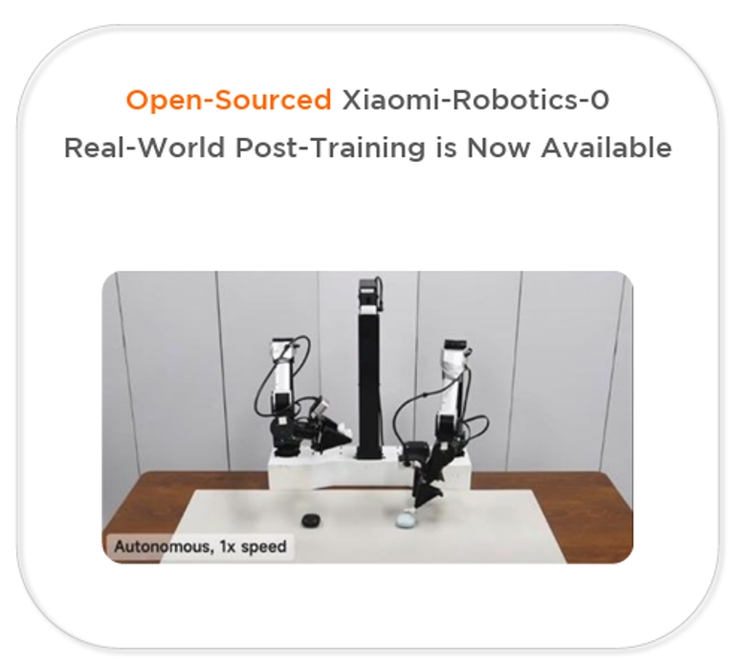
These companies offer exposure to China’s consumer economy and the global expansion of Chinese brands.
#4 - Relatively lower valuations compared to the US markets provide better margin of safety
Many of the HK-listed companies trade at lower valuations than their US-listed peers.
As of end-June 2026, the Hang Seng Index (HSI) traded at a trailing price-to-earnings (P/E) ratio of around 12.7x, compared with approximately 28.7x for the S&P 500.
This means that the broad Hong Kong markets trade at around half the valuations of the US markets.
Lower valuations may provide a wider margin of safety, especially when supported by resilient earnings and improving fundamentals.
For investors looking to diversify beyond US equities, Hong Kong's relatively lower valuations may present opportunities to gain exposure to high-quality businesses at more attractive prices.
#5 - Increasing interest from regional investors
The Southbound Stock Connect, which connects qualified investors from Chinese Mainland to trade eligible shares in Hong Kong, is experiencing record-high flows.
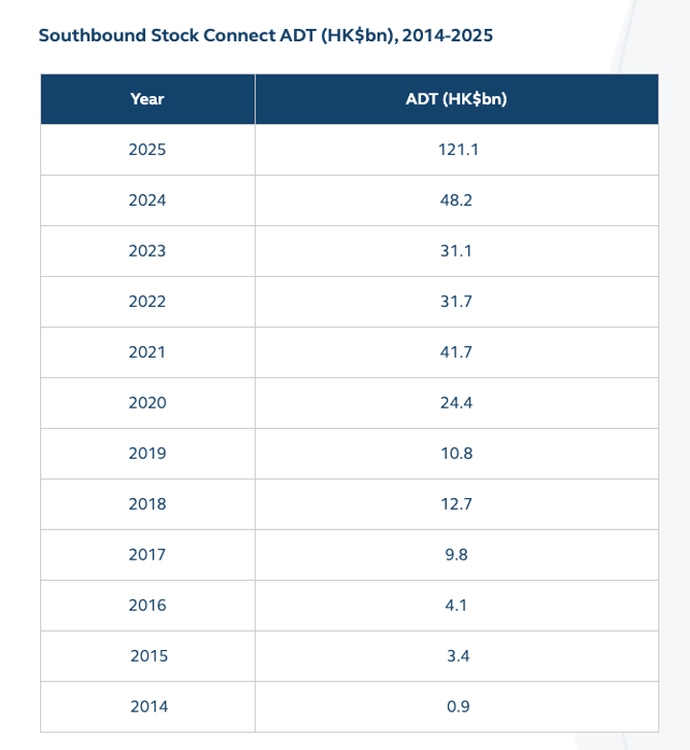
At the same time, trading activity has strengthened.
Average daily turnover on the Hong Kong cash market reached nearly HK$283 billion (approximately US$36 billion) in the first half of 2026, while IPO fundraising remained robust as companies continued to choose Hong Kong as their preferred listing venue.
HKEX has also introduced market enhancements, including narrower minimum bid-ask spreads for applicable securities, to improve trading efficiency and market liquidity.
For investors, stronger liquidity can make it easier to buy and sell securities efficiently while supporting more effective price discovery over the long term.
How investors can gain exposure to China’s growth sectors in Hong Kong
#1 – Direct stock purchase
Investors who have identified specific companies they believe in can purchase Hong Kong-listed shares through a brokerage that provides access to HKEX.
This gives investors full control over portfolio construction but also requires more research and company-specific due diligence.
#2 – Buying ETFs
Hong Kong-listed ETFs provide you with broad-based or thematic diversified exposure to your desired sectors, with over 200 ETFs listed on HKEX.
For example:
- ETFs that provide broad exposure to the Hang Seng Index.
- ETFs that track the Hang Seng TECH Index, offering exposure to 30 of Hong Kong's largest technology companies.
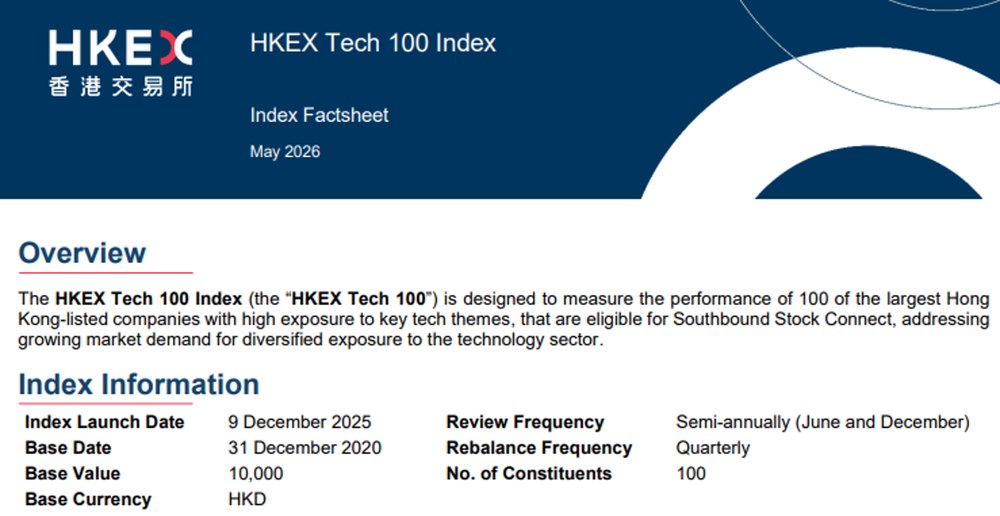
- ETFs that track the HKEX Tech 100 Index, which tracks 100 large- and mid-cap companies across AI, biotechnology, internet platforms, semiconductors, robotics and electric vehicles. Compared to HSTECH, this newer Tech 100 Index is broader and offers exposure to earlier-stage growth potential.
You can screen and shortlist ETFs using this tool provided by HKEX.
What to look out for before investing
Investors looking to gain exposure to Hong Kong-listed China Growth sectors should avoid blindly chasing hot themes alone.
We evaluate investment opportunities across four key areas:
- Investability: Is the stock or ETF sufficiently liquid, with healthy trading volumes and tight bid-ask spreads?
- Profitability: Does the company generate sustainable earnings, cash flow and attractive returns?
- Quality of growth: Is growth supported by competitive advantages such as strong products, technology or brand strength, rather than aggressive price competition?
- Balance sheet strength: Does the company have the financial resources to continue investing for growth during challenging market conditions?
We would also keep in mind that valuations should be compared like-for-like.
A profitable consumer company, a platform technology stock and a pre-revenue biotech firm should not be assessed using the same metrics.
For IPOs, we would look beyond listing-day excitement and assess the company's long-term growth prospects, competitive positioning, path to profitability and valuation relative to listed peers.
Key risks to consider
#1 - Foreign currency risk
All HKD-denominated products carry SGD/HKD currency exposure for Singapore investors.
Because the Hong Kong dollar is linked to the USD, this also means exchange-rate movements may be influenced by broader USD trends.
#2 – Geopolitical risks
Hong Kong's equity market is closely linked to China's economy and remains sensitive to geopolitical developments, changes in government policies and shifts in investor sentiment.
These factors can influence market performance, particularly in sectors such as technology and healthcare.
#3 – Market volatility
Growth sectors such as AI, biotechnology and electric vehicles can experience larger price swings than more defensive sectors.
Share prices may react sharply to earnings announcements, regulatory developments, macroeconomic data or changes in market sentiment.
What would Beansprout do?
If we were looking to gain exposure to China's growth opportunities, we would consider Hong Kong as a complement to a globally diversified portfolio.
It provides access to sectors that are less represented in Singapore, including artificial intelligence (AI), biotechnology, internet platforms and electric vehicles.
For investors who are new to the market, broad-based ETFs can be a simple way to gain diversified exposure before researching individual companies. You can screen and shortlist ETFs on HKEX here.
While the market offers potential opportunities, investors should remain disciplined, diversify across markets and sectors, and size their positions according to their investment objectives and risk tolerance.
Are you thinking of investing in Hong Kong? You can read our China and Hong Kong insights here.
Which sector in Hong Kong has the most growth potential? Share with us in the comments below or in our Telegram group!
Read also
Gain financial insights in minutes
Subscribe to our free weekly newsletter for more insights to grow your wealth
Most Popular

Comments
0 comments